

Southern California’s picturesque coastline provides a wonderful getaway for both humans and their furry companions. However, beneath the beauty of its beaches lies an environmental concern that pet owners should be mindful of—domoic acid toxicosis. This article aims to inform responsible pet owners about domoic acid exposure in pets and how to ensure their safety during beach outings.
What’s Been Happening to Our Beaches Lately?
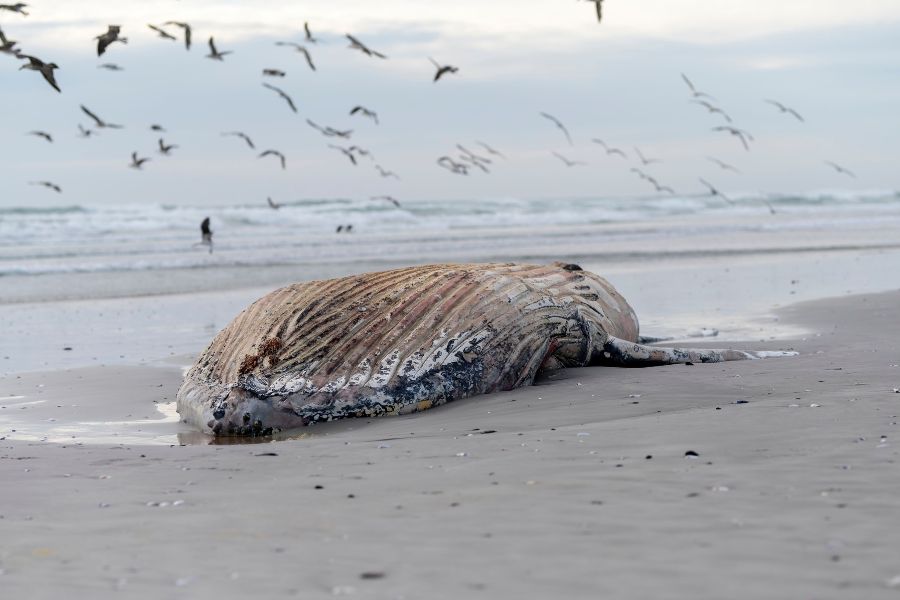
If you’ve taken your dog out for a walk along Southern California beaches recently, you may have noticed something concerning. Over the past few months, an alarming number of dead animals have been washing ashore, creating questions and worries for pet owners. This issue, tied to harmful algal blooms and pets, hasn’t been widely covered in the news, but it’s something all pet owners need to be aware of for their pets’ safety.
The culprit? Domoic acid exposure in pets caused by toxic algae blooms. These blooms release a naturally occurring toxin that can wreak havoc on marine ecosystems and pose serious risks to our pets. Southern California pet beach safety begins with understanding these risks and taking steps to protect your furry family members while enjoying the coastline.
Why Algal Blooms Are a Concern
Harmful algal blooms, also known as HABs, are caused by algae that grow quickly and produce toxins, like domoic acid, in the process. These blooms thrive in the warm, nutrient-rich waters often seen along Southern California’s coast. Animals like fish, shellfish, and even marine mammals can ingest these toxins, and when they wash ashore, curious dogs may scavenge and consume them.
If your pet eats or comes into contact with these animals, it risks serious health conditions. The signs of domoic acid poisoning in pets include vomiting, tremors, and in severe cases, seizures. Keeping pets safe by the ocean means recognizing these dangers and taking preventive measures.
Risks of Domoic Acid Exposure in Pets
Symptoms of Domoic Acid Toxicosis in Dogs
When pets, especially dogs, are exposed to domoic acid, they may display concerning symptoms like vomiting, diarrhea, disorientation, tremors, or even seizures. Severe cases can result in permanent neurological damage or death. Recognizing the signs of domoic acid poisoning in pets is crucial for early intervention.
How Pets Might Be Exposed
Pets can encounter hazardous levels of domoic acid in a variety of ways:
- Consuming fish or shellfish contaminated with the toxin.
- Drinking or swimming in water affected by harmful algal blooms.
- Eating marine animal carcasses washed ashore.
Dogs are particularly at risk due to their natural curiosity and tendency to scavenge on the beach.

Beach Safety Tips for Pets
Ensuring pet safety at Southern California beaches begins with knowledge and preparation. Here are essential beach safety tips for pets to help mitigate the risk of domoic acid exposure:
- Stay Updated on Local Advisories: Before planning your visit, check for any warnings here about harmful algal blooms in your preferred beach location. This information is also often available through local environmental or wildlife organizations.
- Avoid Contaminated Areas: For now, steer clear of Cardiff State and Leucadia beaches where harmful algal blooms have been reported or where dead marine animals have washed ashore. These areas are high risk for exposure.
- Leash Your Dog: Keeping your dog on a leash while at the beach is a valuable precaution. This adds a layer of control and prevents them from scavenging fish or animal carcasses or consuming contaminated water or sand.
- Provide Fresh Water: Bring plenty of clean water for your pet to drink. This not only keeps them hydrated but also reduces their chance of drinking seawater, which may contain toxins.
- Monitor Behavior: Keep a close eye on your pet for any signs of unusual behavior or potential illness during and after your beach outing.
What to Do if You Suspect Domoic Acid Exposure
If you think your pet may have been exposed to domoic acid, act quickly:
- Remove Them from Contaminated Areas: Immediately take your pet away from the affected beach to prevent further exposure. Rinse their paws or fur to remove any potential contaminants.
- Contact Your Veterinarian: Provide your veterinarian with details about your pet’s symptoms and any possible exposure to harmful algal blooms. Early treatment is critical.
- Administer Treatment: Based on your vet’s recommendations, your pet may require IV fluids, medications to manage neurological symptoms, or other supportive treatments to aid recovery.
Protecting Your Pets During Harmful Algal Blooms
Domoic acid toxicosis underscores the importance of protecting pets from toxic algae during beach outings. With its growing prevalence in Southern California’s coastal waters, taking proactive steps is vital. Responsible pet ownership not only ensures your dogs remain safe and healthy and also helps minimize their interactions with affected marine ecosystems.
Exploring Southern California’s beaches can be a fun and memorable experience for you and your pets. However, staying informed about risks like domoic acid exposure in pets will help you keep them safe. By following precautionary measures, recognizing symptoms of domoic acid toxicosis in dogs, and acting swiftly in the event of exposure, you can enjoy beach outings with peace of mind.
Looking for trusted, exceptional care for your furry, feathered, or scaly family members?
At Claws and Paws Pet Sitting Service LLC, your pet’s safety and happiness are always our top priorities. Whether you’re planning a day of fun at the beach or need peace of mind while you’re away, we’re here to provide personalized, loving care for pets of all kinds. From exercise hikes and daily dog walks to overnight stays and a pet taxi service, our award-winning team ensures your companions are cared for like family.
With over 29 years of experience and a commitment to keeping your pets safe and happy, we understand the unique needs of every animal we care for. Contact Claws and Paws Pet Sitting today to schedule your services and discover why pet owners across North San Diego County trust us to pamper and protect their beloved companions!


