
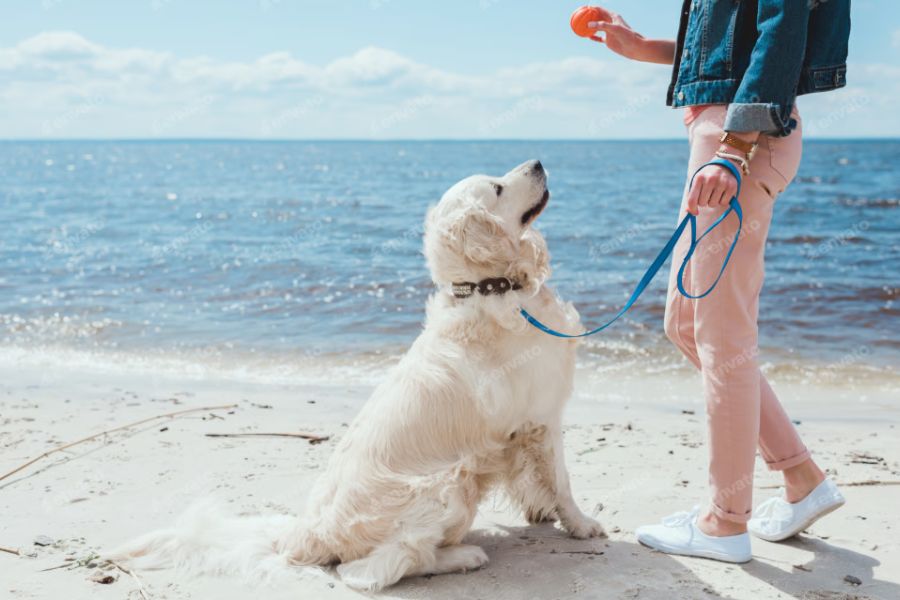
As a pet sitter who has worked with hundreds of dogs across North San Diego, from Encinitas to Rancho Santa Fe, I see every day how consistent walks and structured outings can make a huge difference in a dog’s behavior and training success.
If your goal this new year is a better behaved dog, reinforcing lessons from a trainer, or simply helping your dog feel calmer and happier at home, this Q and A answers the questions we hear most often from local pet parents.
As professional pet sitters and dog walkers, we often work alongside trainers and spend hours each week with dogs in real life situations, reinforcing skills during daily walks and routines.
Think of this as your guide to combining dog walking with training to get real, long-lasting results.
The New Year Motivation
“I want my dog to be better behaved this year. Where should I start?”
Starting the new year with dog training goals can feel exciting, but also overwhelming. As a pet sitter, the first thing I tell owners is to set small, achievable goals.
Instead of aiming for perfect obedience overnight, break goals down into manageable steps:
- Week 1: Practice a reliable “sit” in 3 different locations around your neighborhood.
- Week 2: Add a “come” or recall cue during your walks.
- Week 3: Practice calm greetings with neighbors or other dogs.
Consistency is the real game changer, and that’s where daily walks in your North San Diego neighborhood come in. Walks are not just exercise. They are opportunities to practice skills like leash manners, recall, and focus in real-world environments.
Training Foundations
“What are the most important skills my dog should know?”
Regardless of breed or age, there are a few foundational skills that make life easier for both dogs and owners:
- Sit and Stay: The basis for polite behavior in any environment.
- Come / Recall: Essential for safety and off-leash control.
- Loose Leash Walking: Prevents pulling, improves walks, and makes encounters with other dogs or people calmer.
- Polite Greetings: No jumping, mouthy behavior, or overexcitement.
- Focus / Attention: Ability to pause and check in with the handler.
Regular outings help turn these skills into habits. When your dog practices loose leash manners along sidewalks in Encinitas or La Costa, or calm greetings on the Cardiff rail trail, those skills become reliable behaviors, not just commands practiced at home.
Types of Training
“I hear about different types of training. What is force-free training, and does it actually work?”
Force free training, also called positive reinforcement training, focuses on rewarding desired behaviors rather than punishing unwanted ones.
This typically looks like:
- Using praise, treats, or play when a dog makes a good choice
- Teaching dogs what to do, instead of correcting them for mistakes
In contrast, punishment or correction based approaches rely on fear, discomfort, or outdated dominance based tactics to stop behavior. These methods focus on suppressing unwanted actions rather than teaching dogs what to do instead.
That does not mean force free trainers let dogs do whatever they want or never set boundaries. Force free training still includes structure, clear expectations, and guidance. The difference is that behaviors are redirected, managed, and reinforced thoughtfully, so dogs learn appropriate choices without fear or intimidation.
Does it actually work?
Yes. Force free methods build trust, confidence, and motivation, which makes dogs more responsive in real life situations, not just during formal training sessions. From our experience as pet sitters and dog walkers, these skills are also easier to reinforce during daily routines, helping training carry over into walks, greetings, and everyday life.
How to Choose the Right Trainer
“How do I know which trainer is right for my dog? Are there any warning signs I should watch for?”
Choosing a dog trainer can feel daunting, especially with so many approaches and certifications available. Since the dog training industry isn’t regulated, taking the time to vet your trainer is especially important. These guidelines can help you make a confident, informed decision.
Check credentials
Look for trainers who hold certifications from reputable, science‑based organizations. One we highly recommend is the International Association of Animal Behavior Consultants (IAABC). IAABC certified professionals follow evidence‑based, humane practices and adhere to a strict ethical code that prioritizes animal welfare.
Other widely recognized force‑free credentials include:
- Karen Pryor Academy Certified Training Partner (KPA‑CTP): emphasizes positive reinforcement and clicker-based methods.
- Certified Professional Dog Trainer: Knowledge Assessed (CPDT‑KA) demonstrates mastery of modern learning theory and practical skills.
- Pet Professional Guild (PPG) credentials: certify trainers who follow strict force‑free standards.
These certifications generally indicate that a trainer is committed to humane, science‑based training, ongoing education, and methods that teach dogs what to do rather than punishing mistakes.
Understand their philosophy
Force free trainers often describe their approach using specific language. Keywords you may hear include:
- force free
- positive reinforcement
- science based
- evidence based
- humane training
- fear free
- consent based handling
These trainers focus on teaching dogs what to do, rather than punishing them for mistakes, and they adapt their methods to each dog’s temperament and emotional needs.
Watch for red flags
Some aversive trainers can be surprisingly subtle in how they present themselves. They usually don’t openly advertise punishment based methods, so listen closely for language that suggests otherwise. Red flag terms often include:
- pack leader
- dominance
- alpha
- corrections
- balanced training (often used to mask punishment based tools)
- “a little discomfort is necessary”
Trainers who rely on dominance or corrections may frame these methods as quick fixes, but research shows these approaches often increase fear, anxiety, and long term behavior issues.
Once you find a trainer whose values align with yours, consistent reinforcement is key. This is where professional pet sitters and dog walkers play an important role. Walks provide real life opportunities to reinforce force free training methods in everyday environments, helping your dog generalize their skills beyond the training session.
Local tip: In North County San Diego, there are fantastic trainers who specialize in force-free techniques and behavior-focused solutions. Pairing a skilled trainer with consistent dog walking services can dramatically accelerate progress. Walkers reinforce what trainers teach, providing repetition in real-world scenarios.
Local Force-Free Dog Trainers We Recommend in North County San Diego
We’re often asked for trainer recommendations, and while every dog and situation is unique, these local professionals align with the force-free, science-based approach we believe in and have seen work well for the dogs we care for. They focus on humane methods that prioritize learning, confidence, and long-term success.
Linda Michaels – Do No Harm Dog Training & Behaviour
Linda Michaels, M.A., Psychology, author and speaker, is rated one of the top ten dog trainers in the United States, by Top Ten Magazine. Linda holds a master’s degree in Experimental Psychology (Hons), conducted laboratory research in behavioral neurobiology examining the interface between behavior and the brain, and is the creator of the internationally acclaimed Hierarchy of Dog Needs®—Standards of Care and Best Force-free Practices, now in use internationally in 12 different languages.
Email: LindaMichaelsPositively@gmail.com
Website: https://www.donoharmdogtraining.com/training-services
Brent Cady Dog Training
Brent works with dogs and their families using modern, evidence-based training techniques designed to build trust and clear communication.
Email: trainer@brentcadydogtraining.com
Website: www.brentcadydogtraining.com
Sarah Surritt – Get Pawsitive Dog Training
Sarah specializes in positive reinforcement training and helps pet parents address behavior challenges while strengthening the human-dog bond through clear, compassionate guidance.
Email: Sarah@getpawsitive.com
Website: www.getpawsitive.com
This is not an exhaustive list, but a helpful starting point for pet parents in North County San Diego looking for ethical, force-free training support. Once you’ve chosen a trainer, consistent follow-through in everyday life is key.
Common New Year Resolutions
“What behavior or training issues do you see most often in dogs at the start of the year?”
January is always full of hopeful dog owners, but the struggles are predictable:
- Leash pulling: Dogs get excited after a holiday of snacks and less routine.
- Jumping on visitors: Excitement + energy at home after walks are inconsistent.
- Overexcitement or lack of focus: Dogs who haven’t had enough structure or enrichment over the holidays.
The solution? Consistency. Even 20 to 30 minutes of daily walking helps dogs burn energy, practice skills, and regain structure after the holidays.
Training + Enrichment
“How do exercise, walks, and mental stimulation help my dog learn better?”
Dogs are learning machines, but only when they’re engaged, mentally stimulated, and not overly stressed or bored.
- Exercise: Burns excess energy so dogs can focus during training.
- Mental stimulation: Sniff walks, problem-solving games, and short training drills during walks reinforce learning.
- Structure and routine: Daily walks create predictability, which helps anxious or reactive dogs feel safer and more confident.
Professional dog walking in North County San Diego offers these benefits daily. Even a 30-minute walk can include:
- Leash manners practice
- Sniffing & enrichment breaks
- Controlled social exposure
- Small recall or focus exercises
This combination makes training more effective, sustainable, and fun, for both the dog and owner.
How Walks Reinforce Training in Real Life
Training is more than lessons at home or with a professional. It’s a lifestyle, reinforced through real world practice. Consistent walks:
Provide daily opportunities to practice obedience and polite behaviors
Give dogs the exercise and mental stimulation needed to retain skills, help prevent frustration, anxiety, and energy related misbehavior.
If your goal this year is a better behaved, happier dog, adding structured walks with a trusted pet sitter can make a meaningful difference. At Claws and Paws, we work with pet parents across Encinitas, Cardiff, Rancho Santa Fe, San Elijo Hills, Solana Beach and La Costa to reinforce training during everyday outings, not just formal sessions.
Ready to support your dog’s training between lessons?
Sign up for professional dog walking today and turn daily walks into consistent, real life training support for your dog.
TL;DR: Walks aren’t just for exercise! They’re part of the training process, and the right sitter can make all the difference. Book your walks now!