
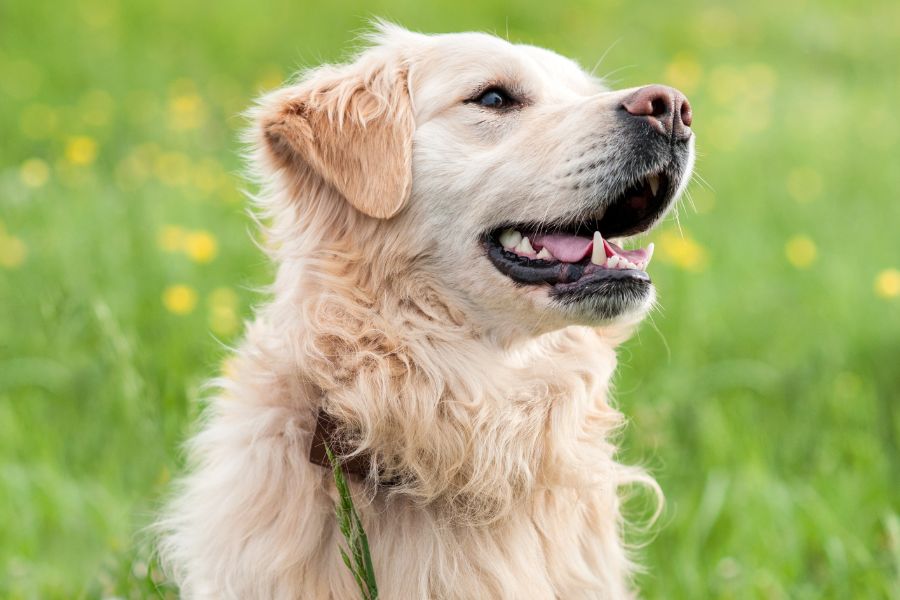
Pet wellness is about much more than just their annual veterinary visit. While regular checkups and preventive care are certainly important, the little things we do every day can also make a huge difference in boosting our pets’ health.
October is Pet Wellness Month, thus, a great time to take a closer look at your pet’s overall wellness and see where there may be room for improvement. Their diet, exercise routine, social experiences, mental stimulation, and even their daily schedule can all play a role in how they feel.
This Pet Wellness Month, consider making a few simple changes that can help your pet stay happy, active, and healthy throughout the fall and winter. Here are seven handy habits to add to your pet’s routine.
The Pet Wellness Checklist
1. Keep Up With Regular Veterinary Care
Routine veterinary care is one of the most important parts of responsible pet ownership. Regular visits give your veterinarian an opportunity to monitor your pet’s health, keep core vaccinations up to date, and make sure they are receiving preventive care.
Your pet’s routine visit is also a great time to check in with your veterinary provider. Is your pet at a healthy weight? Are they getting enough exercise? Are they getting enough mental stimulation throughout the day?
Think of your veterinary visits as more than a quick health check; rather, they are an opportunity to make sure your pet’s everyday routine is supporting their long-term wellness.
2. Make Daily Physical Exercise a Priority
Most pets need regular walks and exercise to stay healthy, but exactly how much they need can vary quite a bit.
Age, breed, size, and what your pet is accustomed to can all affect a dog’s ideal activity level. Some dogs need several hours of busy activity each day, while others may be content with a leisurely walk around the neighborhood.
Pay attention to your dog’s behavior. A dog who has had enough activity will often be alert yet tired and relaxed. An exhausted, lethargic dog may have been pushed a bit too far, or there may be other underlying medical issues that need to be investigated. On the other hand, pacing, digging, excessive barking, destructive behavior, or general restlessness can sometimes be signs that your dog needs more physical or mental stimulation.
3. Make Time for Socialization
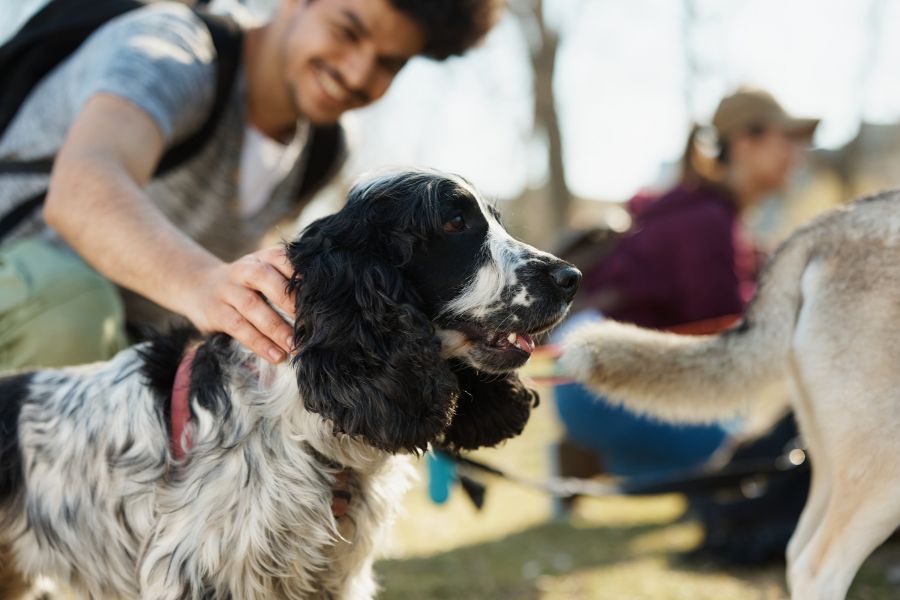
For dogs, positive social experiences can include meeting new people, exploring unfamiliar environments, hearing different sounds, and experiencing new sights and smells. These everyday experiences can help dogs become more comfortable and confident as they navigate the world around them.
The key is to keep those experiences positive and appropriate for the individual dog. Not every dog enjoys a crowded dog park or greeting every person they meet. Pay attention to your pet’s body language and comfort level, and give them space when they need it. Healthy socialization can be observing other humans or dogs from afar without ever physically interacting.
Regular walks and pet sitting visits can be a simple way to introduce variety into your dog’s day. A new walking route, a friendly interaction, or some time exploring a different environment can turn an ordinary outing into a positive new experience.
4. Keep Their Minds Busy
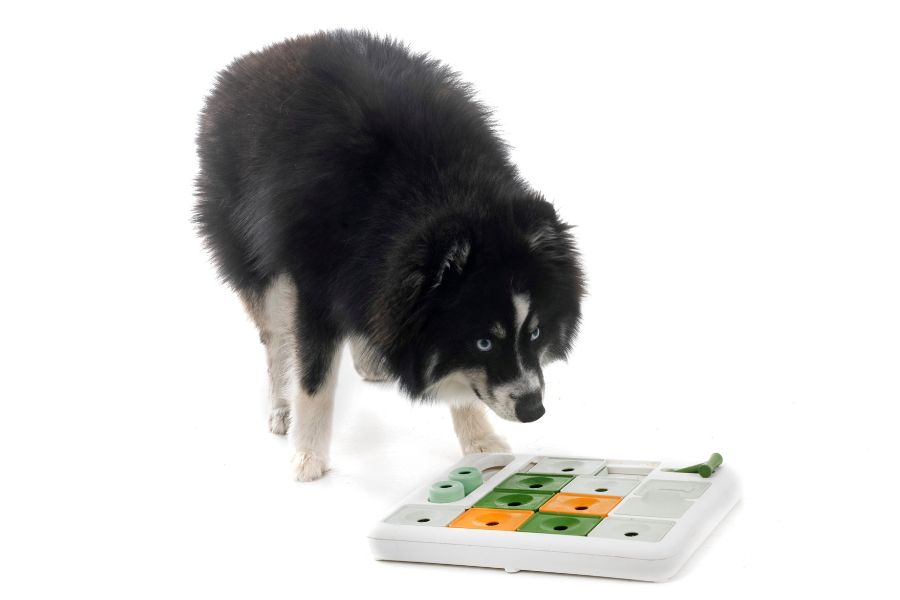
Hand-in-hand with socialization is mental stimulation. A dog doesn’t necessarily always need a game of fetch or a walk around the block to fulfill their needs. Sometimes, they need something interesting and new to think about.
Puzzle toys, scent games, basic training exercises, interactive toys, all give dogs opportunities to problem-solve. Walking a new route with new smells can be surprisingly enriching for your dog. If you typically let your dog into a familiar area, like a fenced in yard, consider taking them for a walk on a new route to challenge their brains and provide some new stimulation.
Enrichment provides an outlet for natural curiosity, and can help prevent boredom, destructive behaviors, and excessive barking. It can also make everyday activities more interesting for dogs who love having something new to investigate.
5. Maintain a Healthy Diet and Fresh Water
Good nutrition is another cornerstone of pet wellness.
Your pet’s nutritional needs can change throughout their life, so their diet should be appropriate for their age, size, activity level, and individual health needs. Your veterinarian can help you determine what type and amount of food is appropriate for your pet.
And don’t forget about water. Fresh, clean water should always be available on-demand throughout the day. Your pet’s bowls should be scrubbed and cleaned regularly to prevent bacterial build-up.
Treats can be a fun way to reward your pet, but moderation matters. Consider healthy treats like dehydrated sweet potato, apple or banana chips, or training treats marketed as low-calorie. If you’re making changes to your pet’s diet or have questions about their weight or nutritional needs, talk with your veterinarian before making major changes. If you’d like to level up your treat and healthy food game, visit our friends at Pet Nutrition Center or Tigertail Foods (for raw food & handbaked treats).
6. Create a Consistent Routine
Pets often thrive on a consistent, predictable routine. Regular meal times, walks, bathroom breaks, playtime, and naptimes can give your pet a sense of structure throughout the day. While schedules don’t have to be identical every day, a little consistency can go a long way.
This can be especially helpful when life gets busy. Work schedules, vacations, appointments, and unexpected changes can make it difficult to keep up with your pet’s normal routine.
That’s where dependable pet care can make a difference. Regularly scheduled dog walks and sitting visits can help keep important parts of your pet’s day on track, even when you can’t be there.
7. Give Them Plenty of Rest, Attention, and Love
Dogs need plenty of sleep and downtime, along with quality time with the people they love. A healthy routine should include a balance of exercise, enrichment, social interaction, and rest. A healthy adult dog needs on average between 12-16 hours of sleep a day, so make sure your dog has plenty of quiet time to get his naps in!
At the same time, keep an eye out for changes in your pet’s normal behavior. A sudden change in appetite, energy level, sleeping habits, bathroom habits, or general behavior may be worth discussing with your veterinarian.
You know your pet’s normal personality better than anyone. Sometimes, simply paying attention can help you notice when something has changed.
Why Socialization, Exercise, and Enrichment Work Together
Your pet’s wellness routine doesn’t come down to one simple factor. All these factors mentioned above work together to create a well-rounded, healthy pet.
- Physical exercise gets pets moving and supports healthy weight, mobility, cardiovascular health, and overall physical well-being.
- Socialization gives pets opportunities to experience people, animals, places, sounds, and other parts of the world in positive ways.
- Mental enrichment keeps their brains engaged through exploration, play, training, scent work, and problem-solving.
These three areas can complement each other naturally. For example, a walk can provide physical exercise while also giving your dog opportunities to sniff, explore, see new surroundings, and encounter different people or animals.
Supporting all three does not necessarily mean adding hours of extra work to an already busy day. A trusted dog walking and sitting service can help incorporate exercise, companionship, exploration, and enrichment into your pet’s regular routine without adding anything at all to your current workload.
How Claws & Paws Can Help
Keeping up with your pet’s wellness routine is easier when you have consistent, dependable support.
Dog walking: Regular walks give dogs an opportunity to exercise, explore, sniff, and experience the world outside the home. We offer discounts when you sign up for regularly scheduled weekly walks with our team! Schedule a call here to set it up!
Pet sitting: Sitting visits can provide companionship, playtime, attention, and mental stimulation while you’re working, traveling, or otherwise away.
Routine and consistency: Scheduled visits can help your pet maintain regular habits, even when your own schedule changes.
Personalized care: Every pet is different. Activities and visits can be adjusted based on your pet’s age, personality, preferences, energy level, and individual needs.
The goal isn’t to make every day perfect. It’s to give your pet the consistency, attention, activity, and care they need to thrive.
October Challenge: Check Off One Wellness Habit
This month, choose one small wellness habit to focus on. Maybe it’s adding an extra 20 minutes of walk time per day, trying a new enrichment game, exploring a different walking route, or creating more opportunities for positive socialization.
And if keeping your pet active, engaged, and cared for is difficult with your current schedule, Claws & Paws can help.
Ready to make your pet’s wellness routine a little easier? Claws & Paws can help with dependable dog walking and sitting services designed to keep your pet active, engaged, and cared for, even when you can’t be there. Start by booking a call or in person consultation in your home today!


