
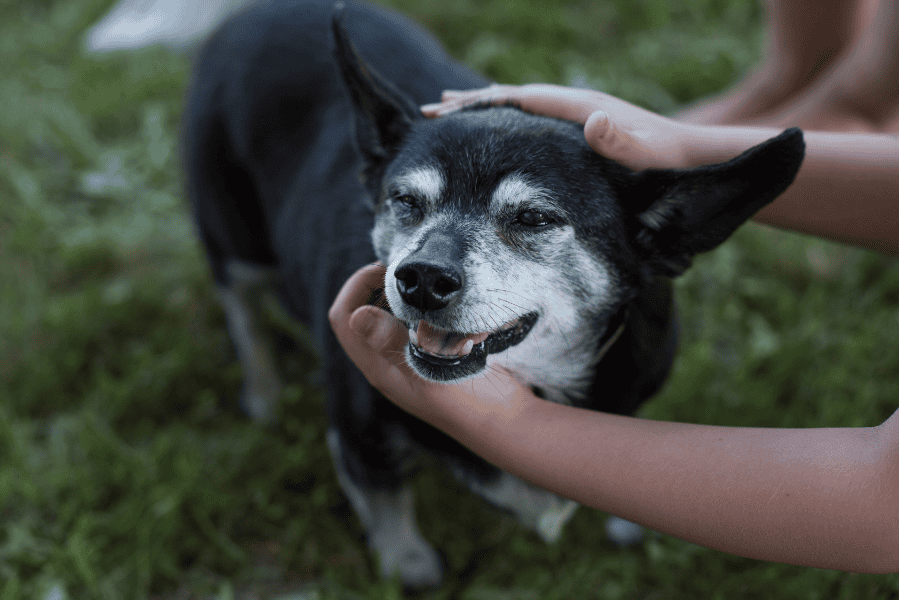
September is Animal Pain Awareness Month, established by the International Veterinary Academy of Pain Management (IVAPM) to raise awareness about recognizing pain in pets. Unlike humans, our pets cannot simply tell us, “this hurts.” Instead, they rely on body language, subtle behavior changes, and shifts in daily routines to communicate discomfort.
Pain in cats and dogs often goes unnoticed because these signs can be subtle. This month is about learning to spot these signals so we can help our furry companions live longer, healthier, and happier lives.
At Claws and Paws Pet Sitting, our staff is trained in pet first aid and CPR. We are vigilant for symptoms of pain and will contact the pet owner immediately if we notice anything unusual. We can also coordinate a timely veterinary visit to ensure pets receive the care they need.
What Is Pain in Pets?
Pain is more than a physical sensation. In pets, it can affect mobility, appetite, sleep, and personality. Common types of pain include:
- Acute pain: short-term, often from injury, surgery, or illness
- Chronic pain: ongoing discomfort, often from arthritis or long-term conditions
- Inflammatory pain: caused by swelling or tissue irritation
- Neuropathic pain: linked to the nervous system, such as spinal injuries or nerve damage
Did You Know? Pets with chronic pain may not limp or cry. They may simply seem quieter, less playful, or less interested in favorite activities.
Common Causes of Pain in Pets
- Arthritis and joint problems, especially in senior pets or large dog breeds
- Dental disease, one of the most overlooked causes of chronic pain
- Injuries such as sprains, fractures, or wounds
- Surgical recovery, even from routine procedures such as spaying or neutering
- Internal illnesses like pancreatitis, kidney disease, or cancer
- Breed-specific issues such as back problems in dachshunds, breathing difficulties in bulldogs, and hip dysplasia in large breeds
Cats Are Experts at Hiding Pain
Cats are masters at hiding pain. Unlike dogs, who often show discomfort more obviously, cats tend to be subtle. In the wild, showing weakness could make them a target, so even domesticated cats carry this instinct. Because of this, a cat in pain rarely cries out or limps noticeably. Instead, they often show small changes in behavior that can easily be missed.
Some common signs include:
- Hiding or seeking solitude
- Avoiding being touched or picked up
- Changes in grooming habits, over-grooming, or neglecting grooming
- Reluctance to jump or climb
- Skipping meals or using the litter box less
- Accidents outside the litter box
- Sleeping more or seeming withdrawn
The key is to notice these subtle shifts. Cats often communicate discomfort through these tiny clues, and paying attention can help catch problems early, improving their health and comfort.
Quick Tip for Cat Parents: If your cat stops jumping onto favorite spots, such as a bed or sunny windowsill, it could be an early sign of arthritis.
Dogs May Show Pain Through Behavior
Dogs are generally more expressive than cats, but their signs of pain are often mistaken for bad behavior. What might look like stubbornness, grumpiness, or mischief can actually be your dog trying to tell you something hurts. Paying attention to subtle shifts in behavior can make all the difference in catching pain early.
Some common signs to watch for include:
- Sudden aggression, irritability, biting, or snapping
- Avoiding play or family interaction
- Whining, growling, or excessive licking of a body part
- Unusual pacing, restlessness, or inability to settle
- Changes in posture, such as a hunched back or stiffness
- Refusing to sit, lie down, or climb stairs
- Lethargy or panting even at rest
- Squinting
These behaviors are your dog’s way of communicating discomfort. By noticing these cues and taking them seriously, you can help your dog get the care they need before the pain worsens.
Did You Know? A dog refusing to sit during training may not be stubborn. Hip or knee pain can make certain movements uncomfortable.
Pro tip: If your pet seems “depressed” to you, he might be in pain. Consult a vet if you can’t justify why he might seem depressed!
Recap: Signs Your Pet May Be in Pain
Every pet is unique, but there are some common behaviors that can signal discomfort. Sometimes these signs are very subtle, so it helps to pay close attention to changes in your pet’s usual routine or personality.
Watch for:
- Reluctance to jump, climb, run, or use stairs: movements that were once easy may suddenly seem uncomfortable
- Hiding or withdrawing from family members: a normally social pet may become distant
- Changes in appetite or skipped meals: even a small change in eating habits can indicate pain
- Unusual vocalizations, such as increased meowing, whining, or becoming unusually quiet
- Sleeping much more than normal or restless pacing: restlessness or excessive napping can both be signs
- Litter box accidents or changes in bathroom habits: difficulty or avoidance can indicate discomfort
- Over-grooming or licking one area excessively: pets often focus on painful spots
- Facial changes, like squinting, pinned ears, or a tense expression
Paying attention to these behaviors allows you to catch potential problems early. Your pet may not be able to tell you they are hurting, but their actions often speak volumes.
Pro Tip: Trust your instincts. If your pet’s behavior feels off, it is worth paying attention. You know your pet best.
How Veterinarians Diagnose Pain
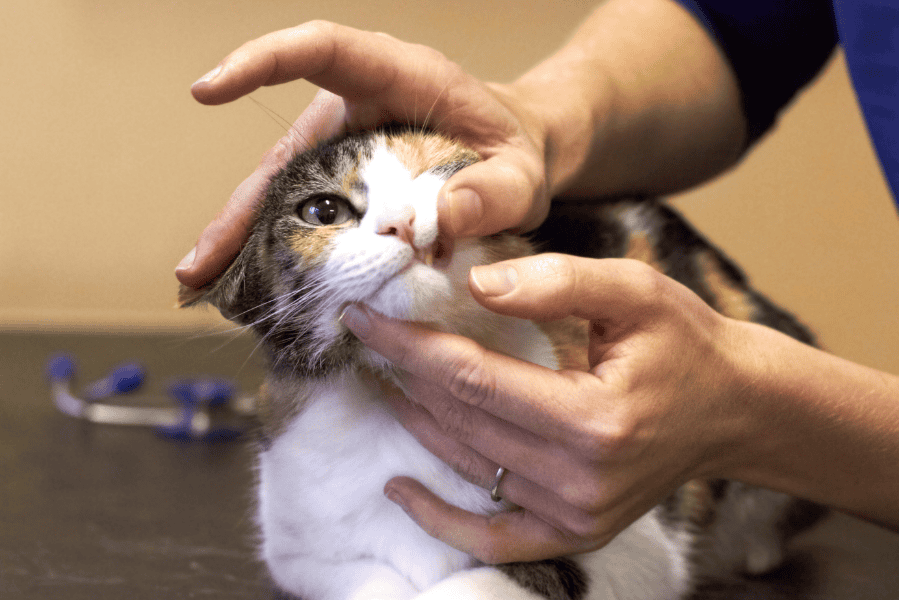
Recognizing pain at home is the first step, but veterinarians have specialized tools to confirm and assess your pet’s discomfort. They use a combination of exams, tests, and scoring tools to understand exactly what is happening and how best to help.
Some of the ways veterinarians evaluate pain include:
- Physical exams to identify tenderness, stiffness, or limited mobility
- X-rays or imaging for arthritis, fractures, or internal issues
- Bloodwork to detect inflammation or illness
- Pain scoring tools such as the Canine Brief Pain Inventory or Feline Grimace Scale
These tools allow veterinarians to create an accurate treatment plan tailored to your pet’s specific needs, ensuring they receive the right care and relief.
Did You Know? The Feline Grimace Scale uses facial expressions, including squinting and ear position, to measure cat pain.

Managing and Treating Pain
The good news is there are many ways to help pets feel more comfortable and manage pain effectively. Treatment often combines medical care with lifestyle adjustments to support your pet’s overall well-being.
Some options include:
- Medications such as anti-inflammatories, pain relievers, or joint supplements to reduce discomfort and support mobility
- Alternative therapies like acupuncture, laser therapy, hydrotherapy, or massage, which can complement traditional treatments
- At-home adjustments, including orthopedic beds, ramps to furniture, or raised food and water bowls, to make daily activities easier
- Nutritional support to maintain a healthy weight and provide diets tailored to specific conditions, reducing stress on joints
- Exercise modifications, such as shorter, more frequent walks or gentle play, which keep pets active without overexertion
By combining these approaches, you can help your pet stay comfortable, maintain mobility, and continue enjoying their favorite activities.
Quick Tip for Dog Parents: Shorter walks with more sniffing time provide mental stimulation and can be just as enriching as physical exercise for dogs with arthritis.

Preventing Pain and Supporting Comfort
While not all pain can be prevented, proactive care can make a big difference in your pet’s quality of life. Paying attention to their health and daily habits helps keep discomfort at bay and supports overall well-being.
Some ways to prevent pain and promote comfort include:
- Schedule regular veterinary checkups, especially for senior pets, to catch issues early and get a bloodwork baseline in order to confirm any future changes
- Monitor dental health and schedule cleanings as needed, since oral pain can affect appetite and overall health
- Keep pets at a healthy weight to reduce stress on joints and prevent related problems
- Provide enrichment that matches your pet’s abilities, giving both mental and physical stimulation
- Adjust routines as pets age, such as shorter walks or easier access to favorite spots, to accommodate changing comfort levels
At Claws and Paws, we also play an active role. Our staff notices even small changes in appetite, mobility, or mood while caring for pets. These observations can be the first clues that something is not right, and we can help coordinate a veterinary visit to ensure timely care.
Why Animal Pain Awareness Month Matters
Many pets live with untreated pain because their signals go unnoticed. Over 60 percent of cats over six have arthritis, yet most remain undiagnosed. Dogs often experience months or years of discomfort mistaken for slowing down or behavioral issues.
Spreading awareness gives pets a voice. Recognizing discomfort early allows timely intervention, preventing suffering and improving quality of life.
Early Detection and Loving Care
Catching pain early can make a huge difference in your pet’s happiness and quality of life. While cats and dogs cannot tell us what hurts, paying attention to behavior, appetite, or routine changes can help them get the care they need.
If you suspect your pet is in pain:
- Observe and note changes
- Contact your veterinarian or have Claws and Paws schedule a vet visit
- Follow through with the treatment plan
- Continue monitoring for improvements or setbacks
At Claws and Paws Pet Sitting, every pet is treated like family. Our trained staff watches closely for signs of discomfort, shares observations with the owner, and can help schedule veterinary care if needed. Your pet’s well-being is our priority.
Give your pet loving, watchful care even when life gets busy. Book your next pet-sitting visit with us and rest assured your pet will be cared for like family.