
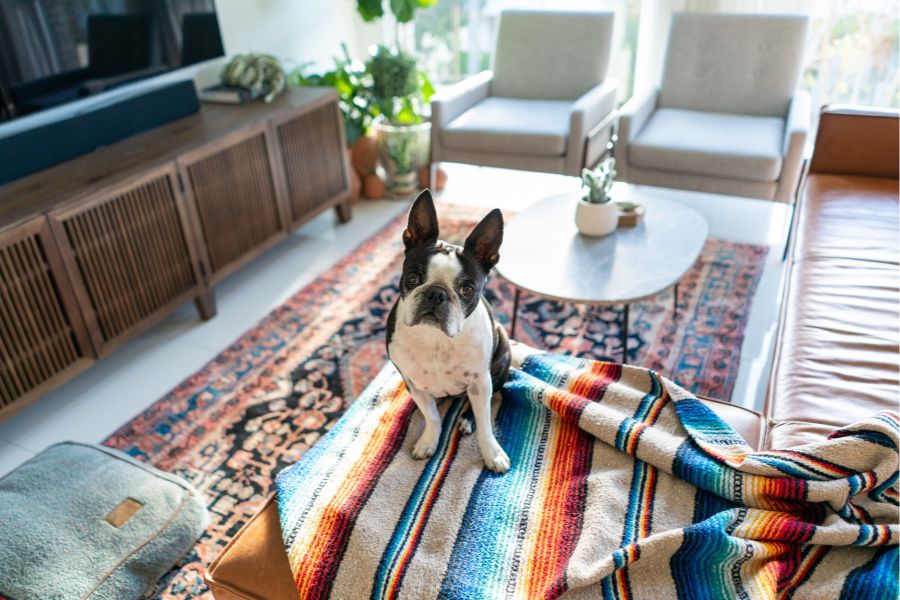
June is National Foster a Pet Month, a time to celebrate the people who open their hearts and homes to animals in need. As a pet sitting company that often works with local rescue organizations and newly adopted pets, we have seen countless success stories unfold. We have seen time and again just how important those first few days and weeks can be for helping a rescue dog feel safe and at home. . While bringing home a rescue dog is an exciting time for the pet’s new family, it is a major life change for the dog. Everything around them is unfamiliar. New people, new smells, new routines, and a new environment can be overwhelming, even for the most outgoing of dogs. Taking the time to introduce your new companion to their home can help build trust and create a smoother transition for both human and canine.
Understand That Adjustment Takes Time
One of the most important things to remember is that rescue dogs need time to settle in. Some dogs may seem confident right away, while others may appear nervous, withdrawn, or unsure of their surroundings. Refer to the “3-3-3 Rule” as a general guideline:
- 3 days to decompress and adjust.
- 3 weeks to learn routines and expectations.
- 3 months to fully relax and start to show their true personalities.
Every dog is different, but patience and realistic expectations can make a big difference during this initial adjustment period.
Prepare a Quiet, Safe Space
Before your dog comes home, create an area where they can retreat if they need a break. This could be a covered crate, a dog bed in a quiet room, or another comfortable space away from household activity. Make sure they have access to:
- Fresh water
- Comfortable bedding
- Toys or enrichment activities
- A calm environment where they will not be disturbed
Rescue dogs often feel more comfortable when they have a space that belongs to them. Allow them to explore at their own pace and avoid overwhelming them with too much attention right away.
Establish a Routine Early
Dogs thrive on consistency. Having a predictable schedule helps reduce stress and allows your new dog to understand what to expect each day. Try to keep feeding times, walks, potty breaks, and bedtime consistent. A regular routine helps build confidence and can make the transition into a new home much easier. Even simple habits, such as taking walks at the same time each day, can provide reassurance for a dog who is still learning to trust their surroundings.
Take Introductions Slowly
Family members are often eager to welcome a new pet, but it is important not to rush introductions. Allow the dog to approach people on their own terms. Encourage calm interactions and avoid crowding, hugging, or forcing physical contact. Some rescue dogs may be comfortable right away, while others need more time before they feel secure. If children are part of the household, supervise all interactions and teach them how to respectfully interact with the dog.

Introduce Other Pets Carefully
If you already have pets at home, slow and proper introductions are essential. If possible, introduce dogs in a neutral location before bringing them together inside the home. Keep interactions calm and controlled, and avoid forcing them to spend too much time together initially. If introducing a dog and a cat, provide the cat with a quiet, separate space to retreat to if stressed. Keep the dog on a secure leash for the initial introduction and reward quiet, calm behavior. Remember to go slow and don’t force either pet to interact. While introducing pets in the home, provide separate spaces for eating, resting, and decompressing. This helps prevent tension and gives each pet an opportunity to adjust at their own pace. Successful relationships between pets are often built gradually. A slow introduction process can help set everyone up for success.
Focus on Building Trust
Many rescue dogs come from unknown backgrounds. Some may have had limited socialization, while others may have experienced neglect or instability. Building trust should always be the priority. Positive reinforcement is one of the most effective ways to help a rescue dog gain confidence. Reward desired behaviors with treats, praise, toys, or other rewards your dog enjoys. Consistent positive experiences help your dog learn that their new home is a safe place. Trust is not built overnight. Remember to go slow and be patient as your pet adjusts.
Watch for Signs of Stress
It is normal for rescue dogs to experience some stress during the transition period. Common signs may include:
- Hiding
- Excessive sleeping
- Loss of appetite
- Pacing
- Whining
- Increased clinginess
- House-training accidents
These behaviors do not necessarily indicate a problem. They are often part of the adjustment process. However, if concerns persist or worsen, consult your veterinarian or a qualified trainer for guidance. We also recommend the Peaceful Pet supplement, you can purchase with our affiliate link here.
Build a Team of Pet Professionals
Welcoming a rescue dog into your family does not mean you have to do it alone. Veterinarians, trainers, groomers, and professional pet sitters can all play valuable roles in supporting your dog’s success. Having trusted professionals involved helps provide consistency and ensures your pet receives quality care throughout their life. As pet sitters, we often work with newly adopted and fostered dogs. We understand that every dog has unique needs, and we take pride in helping them feel comfortable while maintaining the routines that help them thrive.
Supporting Rescue Pets Beyond Adoption
National Foster a Pet Month is a great reminder that there are many ways to help animals in need. While adoption is wonderful, fostering, volunteering, donating, and sharing rescue organizations on social media all make a meaningful difference. Local rescues rely on community support to continue saving lives. Every foster home, donation, and volunteer hour helps create more opportunities for pets to find loving families. At Claws and Paws Pet Sitting, we are proud to support the rescue community and the incredible people who dedicate their time to helping animals. Personally, I’ve had great fostering and rescuing experiences with The Animal Pad (in La Mesa) and Rancho Coastal Humane Society (in Encinitas). But there are many resources and organisations locally to choose from. Whether you are fostering for the first time or welcoming a newly adopted dog into your family, patience, consistency, and compassion can go a long way in helping your new companion feel at home. The journey may take time, but watching a rescue dog gain confidence and settle into a loving home is one of the most rewarding experiences a pet owner can have. 🐾 If you need help with dog walks, pet sitting, or a particular behavior question, feel free to reach out to us! We’re happy to support your rescue journey.


